
Last updated September 10, 2026
Full 25-point door and opener safety check with every visit - springs, cables, rollers, tracks, and your LiftMaster or Chamberlain opener included
You get a price before we start. It does not change when the truck arrives.
 Before
 After
After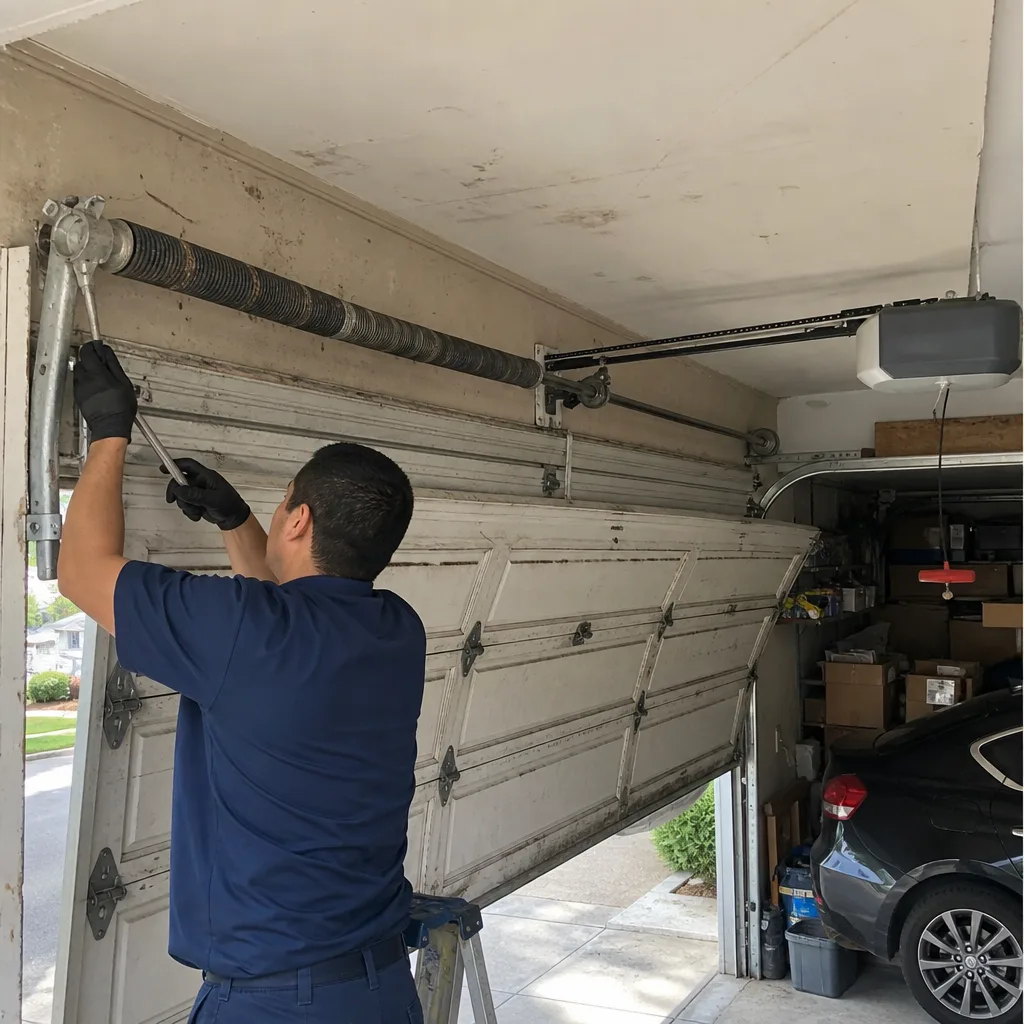 Before
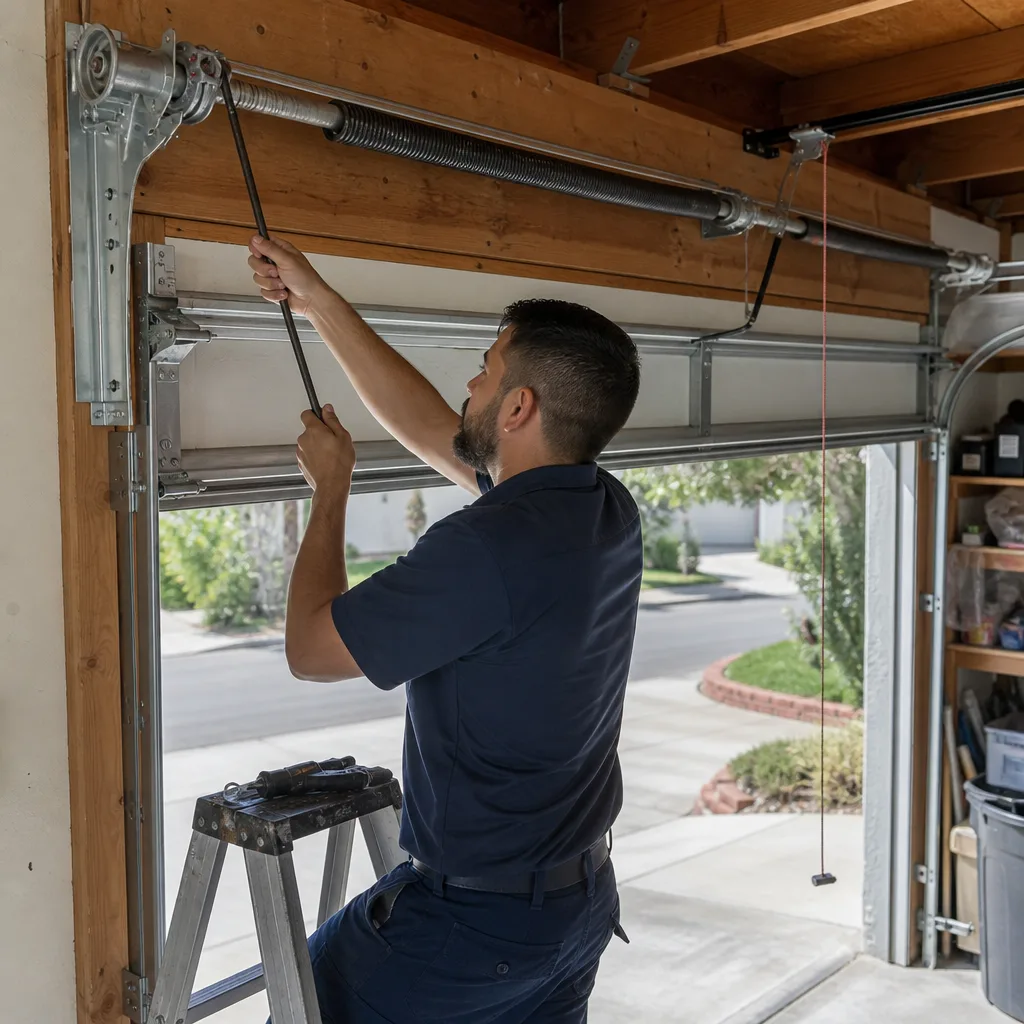 After
After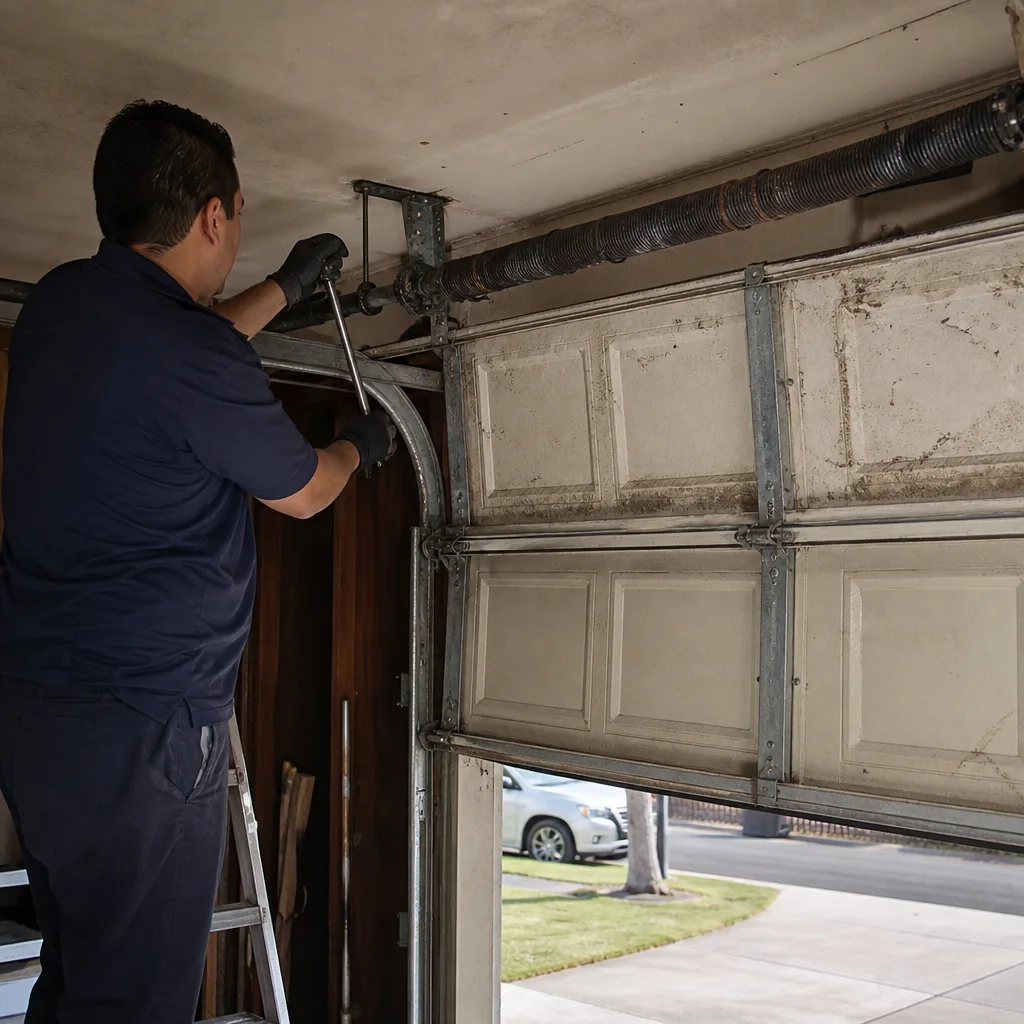 Before
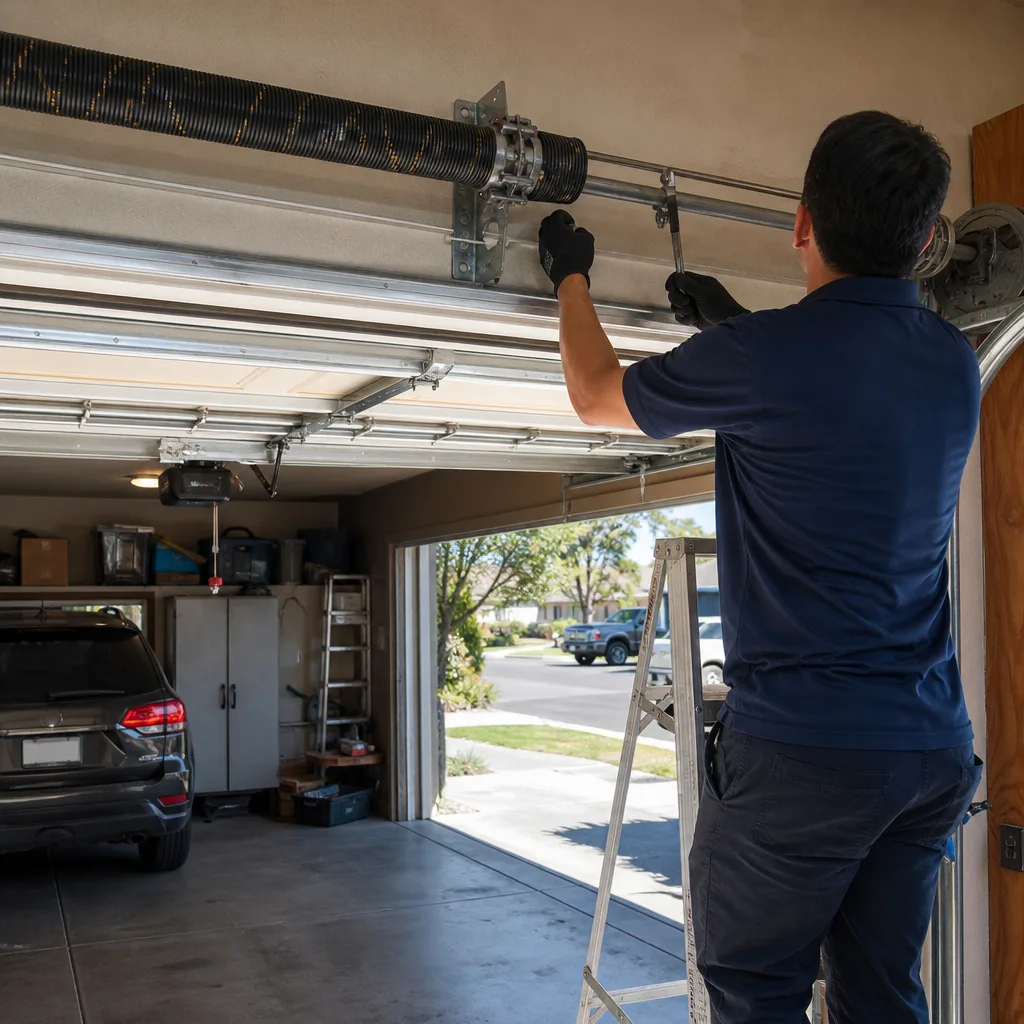 After
AfterSeasonal Garage Door Care for Cypress: Year-Round Homeowner’s Guide
Cypress doesn’t have dramatic seasons, and that’s the problem. Most homeowners here skip garage door maintenance entirely, assuming mild weather means less wear. In our 42 years serving Orange County, we’ve found the opposite: the subtle shifts between marine layer mornings and Santa Ana dry spells stress springs, tracks, and seals more predictably than snow or ice ever could. The rapid humidity swings - from 80% at dawn to single digits by afternoon during wind events - warp wood panels, shift metal tracks, and degrade weatherstripping in ways a single annual inspection always misses. This guide maps what to check, when to check it, and why Cypress’s specific climate pattern demands a different calendar than the national templates suggest - for The Complete Guide to Garage Door in Cypress and more resources.
Quick Answer
Garage door maintenance in Cypress should follow a four-part calendar tied to local climate stressors: fall inspection before Santa Ana winds arrive, winter surface checks after marine layer moisture peaks, spring lubrication when temperatures allow proper grease viscosity, and summer clearance verification when thermal expansion peaks. Most Cypress homeowners who follow this schedule avoid emergency repairs entirely and extend door system life by 30-40%.
Table of Contents
- Fall Prep: Before the Santa Anas Arrive
- Winter Checks: Marine Layer Moisture and What It Hides
- Spring Maintenance: The Right Window for Lubrication
- Summer Heat: Thermal Expansion in Cypress’s Peak Temperatures
- Your One-Page Cypress Seasonal Calendar
- What You Can Handle and What Needs a Technician
- Common Mistakes to Avoid
- When to Call a Professional
- Frequently Asked Questions
Fall Prep: Before the Santa Anas Arrive
The Santa Ana wind season in Cypress typically runs October through March, with the most intense events clustering in November and December. These aren’t just fire weather events. The rapid humidity collapse they bring - sometimes dropping relative humidity from 70% to 8% in six hours - creates unique mechanical stress on garage door systems that most national maintenance guides never mention.
We see the pattern every year in neighborhoods from Cypress Village to the areas near Lexington Park. Homeowners call in January with doors that bind, squeal, or refuse to seal. The root cause almost always traces back to fall conditions they never addressed.
What to Inspect Before Dry-Wind Season
- Weatherstripping and bottom seal pliability. Rubber and vinyl seals harden and shrink in low humidity. Pinch the bottom seal between your fingers. If it cracks or feels stiff rather than supple, replace it before December. A compromised seal lets dust, pollen, and Santa Ana grit into the garage, and that grit accelerates roller and hinge wear through the winter.
- Door frame and jamb seal contact. Close the door and examine the gap between the door edge and the frame. In Cypress’s dry fall conditions, wood frames contract. The seal that touched in September may gap by November. Run a dollar bill through the closed door - resistance should be consistent top to bottom. Light leaks mean air infiltration and eventual pest entry.
- Track fastener torque. The steel tracks of a typical 16-foot door expand and contract with daily temperature swings of 30-plus degrees in fall. Check that lag bolts into the wall framing remain tight. A loose upper track section will shift microscopically with each cycle, eventually throwing off door alignment. Do not attempt to adjust track position yourself - that’s a trained technician’s work.
- Panel surface inspection for early warping. Wood composite and even some steel-backed doors show stress first at the panel seams. Stand inside the garage with the door closed and sight along the interior surface. Any waviness or panel-edge misalignment indicates material movement from humidity cycling. Address it before the door develops operational binding.
The $89 Seasonal Tune-Up we offer each fall includes these four checks plus spring tension verification and safety sensor alignment. Most Cypress homeowners who schedule in October never need emergency service through the wind season.
Garage Door Repair in Cypress becomes necessary most often when these fall checks are skipped. The cost of a November tune-up is consistently lower than a January emergency call for a door off its tracks.
Winter Checks: Marine Layer Moisture and What It Hides
December through February in Cypress brings the marine layer at its most persistent. Morning fog and drizzle may seem harmless, but the moisture they deposit on cold steel surfaces creates conditions we watch carefully.
Steel garage doors, especially older models common in the Cypress Highlands and Trident Estates areas, develop surface oxidation that starts invisible. By the time rust is visible, the protective galvanizing has already failed at stress points. The bottom panel - where road splash and garage floor moisture accumulate - is typically first.
What to Check After Wet December Weather
- Bottom panel underside. Crouch with a flashlight and examine the interior face of the bottom door panel. Any orange-brown discoloration at seams or hardware attachment points indicates moisture trapping. Wipe dry and monitor weekly.
- Track interior surfaces. Rollers ride on the vertical and horizontal track surfaces. Marine layer moisture leaves a faint film that attracts dust and hardens into abrasive grit. A clean rag run along the track interior should come away clean. If it picks up dark residue, the track needs cleaning before roller wear accelerates.
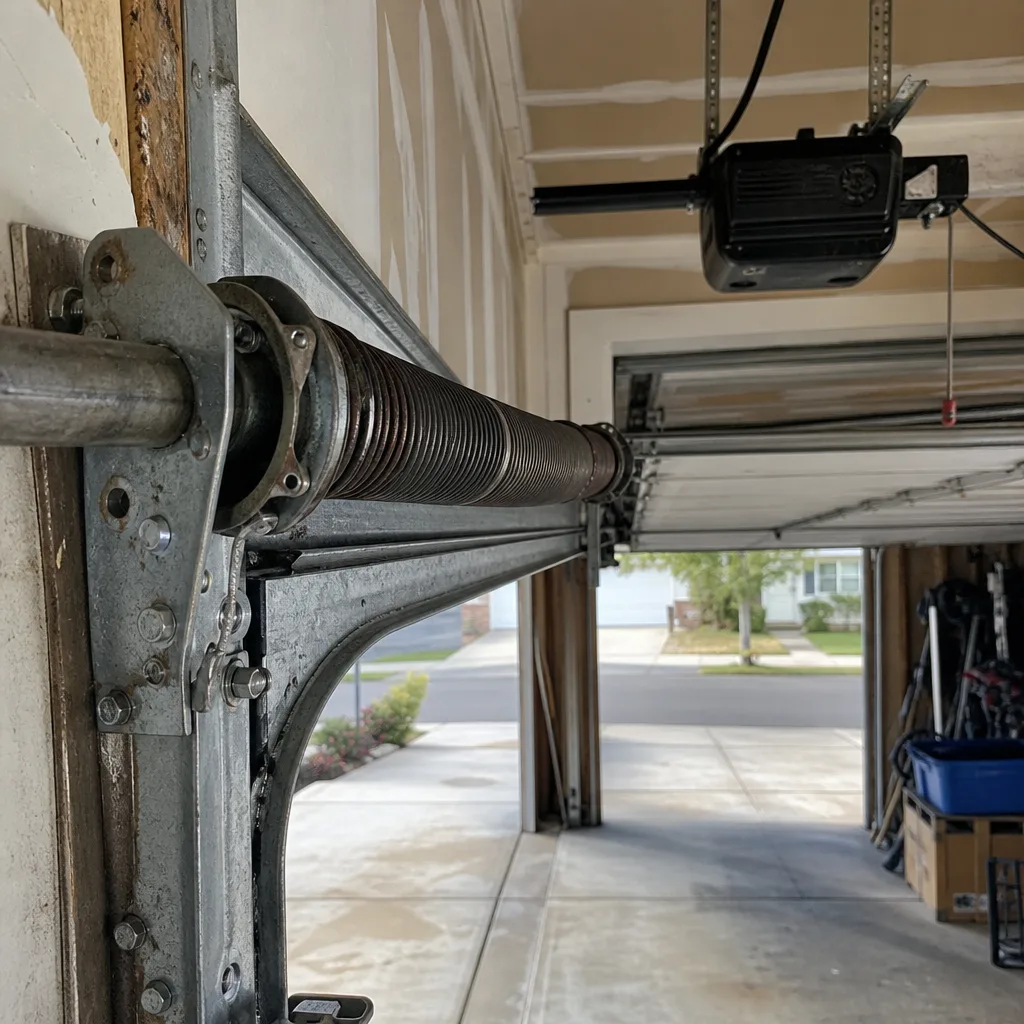
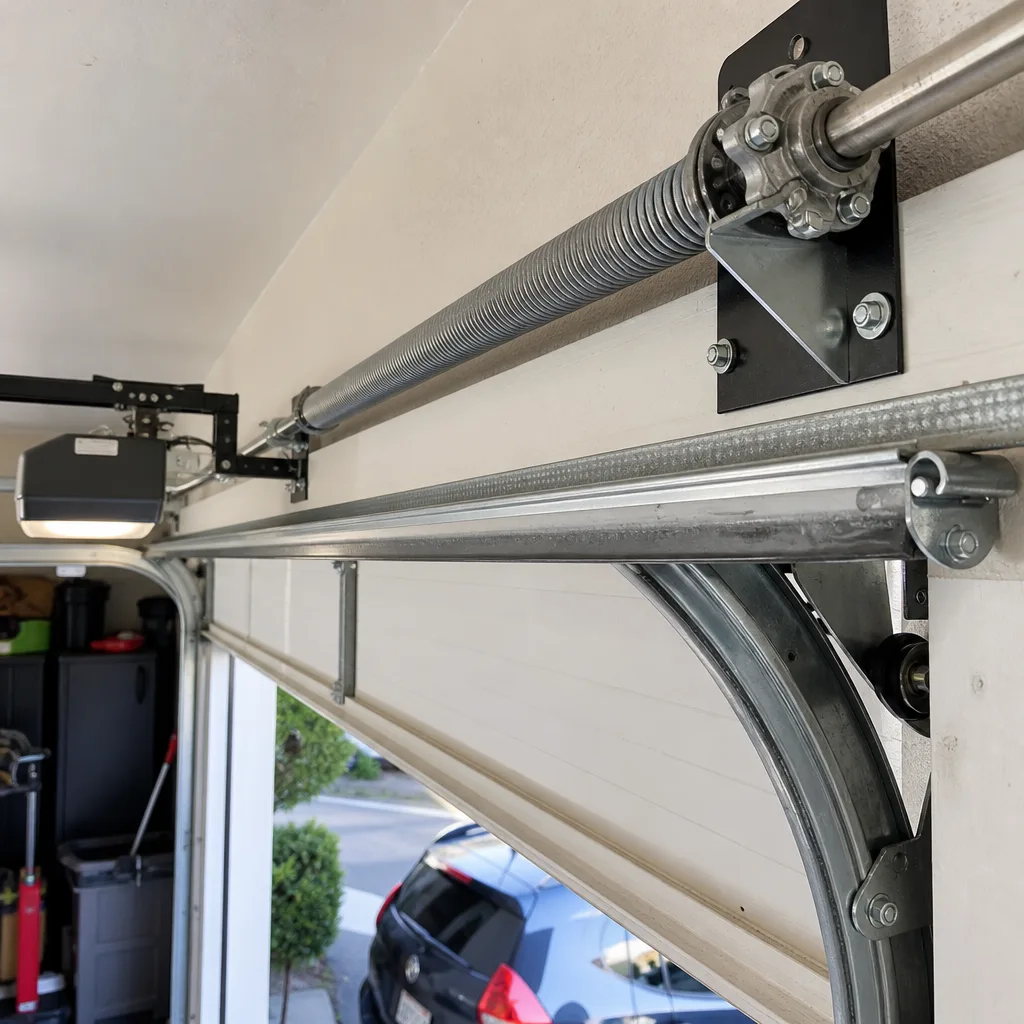
- Spring coil inspection - visual only. Torsion springs sit above the door, and in many Cypress garages, the header area traps humid air. Surface rust on spring coils indicates the lubricant barrier has degraded. Do not touch or attempt to lubricate torsion springs yourself. These components carry lethal tension. A spring with visible corrosion needs professional evaluation before it fails catastrophically.
- Opener rail and chain/belt condition. Chain-drive openers, still common on older homes near Cypress College, show moisture effects as stiff links or surface rust. Belt-drive systems resist moisture better but still need inspection for debris accumulation. The opener rail should move freely by hand with the door disconnected.
In our experience, winter moisture damage in Cypress is almost always preventable with October preparation. The homeowners who call us in February with failed springs or seized rollers typically skipped fall maintenance and let the marine layer do its work unchecked.
Spring Maintenance: The Right Window for Lubrication
Spring in Cypress - March through May - offers the most forgiving conditions for the single most important maintenance task: proper lubrication of moving parts. Temperatures settle into the 60s and 70s, humidity moderates, and the grease and lubricants applied now will cure and adhere correctly.
Here’s what most homeowners miss: lubricating in summer heat changes everything. Standard lithium-based garage door lubricants thin significantly above 85 degrees. Applied in July, the lubricant runs off vertical surfaces before it can form a protective film. It pools in track bottoms, attracts dust, and creates the exact sludge that causes roller binding and noisy operation.
The spring window matters for spring maintenance, too. Torsion springs in Cypress garages have typically completed their heaviest cycle season - fall and winter holiday activity, more frequent in-and-out patterns - and are entering a lower-stress period. Lubricating now, when they’re at a neutral temperature and tension state, allows the lubricant to penetrate coil interfaces properly.
What to Lubricate in Spring - and How
- Hinges and roller bearings. Apply a thin film of garage door-specific lubricant (not WD-40, which is a solvent, not a lubricant) to each hinge pivot point. For steel rollers with exposed bearings, a brief spray at the bearing race is sufficient. Nylon rollers are sealed and need no lubrication - a common mistake we correct on service calls.
- Track surfaces - sparingly. The track interior needs no lubricant; the rollers roll, they don’t slide. A light wipe with a clean rag removes winter accumulation. Some homeowners over-lubricate tracks, creating the dust-trapping film that causes more problems than it solves.
- Spring coils - professional service only. We mention this explicitly because hardware store clerks sometimes suggest DIY spring lubrication. Torsion springs store enough energy to cause serious injury or death. Our technicians apply a specific spring lubricant with the door in the proper position and tension state. This is not a homeowner task.
- Lock mechanism and emergency release. The manual lock and red emergency release cord operate infrequently but must function when needed. A drop of light machine oil on the lock mechanism and a check that the release cord moves freely completes the spring checklist.
The Garage Door Opener in Cypress systems we service - LiftMaster, Chamberlain, Genie, and others - also benefit from spring inspection of force settings and travel limits. Temperature-affected components may have shifted from winter settings, and the moderate spring temperatures allow accurate adjustment.
Summer Heat: Thermal Expansion in Cypress’s Peak Temperatures
July through September in Cypress brings sustained temperatures above 90 degrees, with garage interiors regularly reaching 110 to 120 degrees. Every material in your door system responds to this heat, and the clearances designed into the system at 70 degrees change measurably at 110.
Aluminum tracks expand linearly with temperature. A 16-foot horizontal track section can grow by 1/8 inch or more between a cool morning and peak afternoon heat. Steel tracks expand slightly less but still enough to matter. The critical question: does your door system have the clearance to accommodate this expansion without binding?
What to Verify During Peak Summer Heat
- Door operation at hottest time of day. Run the door up and down between 2 PM and 4 PM, when garage temperatures peak. Any hesitation, noise increase, or binding that doesn’t occur in morning operation indicates thermal clearance issues. Note the specific symptom and when it occurs - this information helps technicians diagnose precisely.
- Track-to-jamb clearance. The horizontal track ends near the door header. In summer expansion, the track can press against wood framing if original installation clearance was minimal. A visual check for track contact marks on the jamb reveals this condition.
- Panel expansion gaps. Steel and aluminum door panels expand across their width. The hinge gaps between panels should remain visible and consistent. If panels appear to press together at hinge points in afternoon heat, the door may be oversize for its summer operating conditions or the hinge hardware may need adjustment.
- Opener thermal protection behavior. Modern openers, including the LiftMaster and Chamberlain models we install most often in Cypress, have thermal cutouts that pause operation if motor temperature exceeds safe limits. If your opener stops mid-cycle on hot afternoons and resumes after a cooling period, this is the cause. Improved ventilation, shade screening, or opener relocation may be needed - not a bigger opener.
We see thermal expansion issues most often in south-facing garages in the Oak Knoll and Cypress Village areas, where afternoon sun pounds the door exterior while the interior sits in stagnant heat. A simple exterior shade sail or reflective film on door windows can reduce peak temperatures by 15 degrees, enough to eliminate most thermal binding.
Garage Door Installation in Cypress for replacement doors should always include summer thermal analysis. The right door material and color selection - lighter colors for sun-exposed installations, insulated cores for attached garages - prevents the problems that show up three Julys later.
Your One-Page Cypress Seasonal Calendar
This calendar replaces generic national templates with Cypress-specific timing and tasks.
| Season | Timing | Primary Tasks | What We’re Preventing |
|---|---|---|---|
| Fall | October 1-31 | Weatherstrip/seal replacement; track fastener check; panel warp inspection | Santa Ana wind damage, dust infiltration, winter binding |
| Winter | January 1-15 | Moisture damage inspection; surface rust check; opener rail cleaning | Spring failure from corrosion; roller seizure; opener strain |
| Spring | March 15-April 30 | Full lubrication of hinges, bearings, lock; force setting verification | Noisy operation; premature wear; summer lubricant failure |
| Summer | July 1-15 | Thermal operation test; clearance verification; shade improvement | Binding; opener thermal cutout; panel damage |
The fall and spring tasks are the heavy lifts - plan half a day or schedule professional service. Winter and summer checks are lighter: 30 minutes with a flashlight and notepad. The homeowners who stay on this calendar rarely call us with emergencies. They call for scheduled tune-ups and eventual replacement on their own timeline, not ours.
What You Can Handle and What Needs a Technician
We’re direct about this because we’ve seen the consequences of overreach. Garage door systems contain genuinely dangerous components, and the steady, plainspoken approach means telling you exactly where the line sits.
Homeowner-Appropriate Tasks
- Visual inspection of panels, seals, and hardware
- Cleaning track interiors with a dry rag
- Testing door balance by disconnecting the opener and lifting manually - the door should stay at mid-height
- Lubricating hinges and lock mechanisms with proper products
- Observing and documenting symptoms: when they occur, at what temperature, with what sound
Technician-Required Work
- Any adjustment to spring tension or spring replacement
- Track realignment or track replacement
- Cable inspection, repair, or replacement
- Opener force setting adjustment on chain or belt systems
- Panel replacement or section repair
- Any work on a door that does not stay at mid-height when disconnected from the opener
The safety caveat is specific and serious: torsion springs carry the full weight of the door, typically 150 to 250 pounds, in stored mechanical energy. A winding bar slipped from a DIYer’s hands has caused fatalities. Extension springs, less common in modern installations but still present in older Cypress homes, can release with violent force if improperly restrained. We do not describe spring adjustment procedures because no homeowner should attempt them.
Our background-checked, uniformed technicians are trained as journeymen under our K.E.Y.S. values code - Krafted right, Every time, Your home first, Standing behind it. They arrive with springs, cables, and openers on the truck, so most jobs finish in a single visit. The flat price is stated before any work begins. No surprises on the bill.
Common Mistakes to Avoid
- Lubricating in summer heat. The lubricant runs, pools, and attracts dust. Spring application in Cypress’s moderate temperatures allows proper adhesion and curing. We’ve cleaned sludged tracks from July lubrication attempts every August for decades.
- Ignoring the bottom seal until water enters. By the time you notice light under the door or feel a draft, the seal has been compromised for months. In Cypress’s dry-wind season, that gap has already admitted pounds of abrasive grit. Replace proactively in October, not reactively in January.
- Using WD-40 on garage door components. WD-40 is a water displacement solvent, not a lubricant. It cleans, then evaporates, leaving metal surfaces unprotected. Hardware store clerks sometimes recommend it out of habit. Use products labeled specifically for garage doors, or call us for guidance.
- Checking the door only when it’s broken. The homeowners with the lowest lifetime door costs in Cypress check seasonally, not desperately. A door that binds slightly in July becomes a door off its tracks by September if ignored. The inspection takes 20 minutes. The repair takes two hours and costs significantly more.
- Assuming mild weather means low wear. This is the Cypress-specific error. Our climate lacks the obvious threats of snow or ice, so homeowners assume maintenance is optional. The humidity cycling, thermal expansion, and Santa Ana grit create wear patterns just as real, just less visible until failure.
- Attempting spring or cable work after watching online videos. The videos rarely show the injuries. We’ve responded to homes in Cypress where a homeowner’s DIY attempt turned a $200 spring replacement into a $1,200 door rebuild plus emergency room costs. The price of professional service is always lower than the price of a mistake.
When to Call a Professional
Call when you observe any of these: the door does not stay at mid-height when disconnected from the opener; any spring shows surface rust or coil separation; cables appear frayed or misaligned on the drum; the door binds, squeals, or reverses unexpectedly; the opener hums but the door does not move; or you’ve completed your seasonal inspection and want professional verification.
Mainspring Garage Door Co. offers free estimates in Cypress - call (626) 593-8187. A live person answers every call, 24/7, including nights, weekends, and holidays. No phone trees, no voicemail, no after-hours answering service. We’ll state the flat price before any work begins, back it with our 90-Day Done Right Promise in writing, and arrive with the parts to finish most jobs in a single visit.
Current standing offers: $50 Off Any Repair Over $250, Free Second Opinion on any written estimate, $89 Seasonal Tune-Up, and a permanent 5% discount for seniors and veterans.
Frequently Asked Questions
Follow a seasonal schedule: full inspection and seal check in October, moisture damage review in January, lubrication in March or April, and thermal clearance verification in July. This four-times-yearly rhythm matches Cypress’s actual climate stressors better than the single annual service national guides suggest. Call (626) 593-8187 to schedule your $89 Seasonal Tune-Up - estimates are free.
You can lubricate hinges, roller bearings (steel only, not nylon), and lock mechanisms with a garage door-specific lubricant applied sparingly. Do not lubricate tracks - rollers need to roll, not slide - and never attempt to lubricate or adjust torsion springs yourself. The stored energy in a torsion spring can cause serious injury or death. Spring work requires a trained technician with proper tools and safety procedures.
Thermal expansion changes clearances between moving parts, and heat-thinned lubricant fails to cushion metal-on-metal contact. In Cypress’s peak summer temperatures, aluminum tracks expand, hinge pins loosen slightly in elongated holes, and the opener motor works harder in a hotter environment. The noise is a symptom of mechanical stress that a July thermal check can identify before it becomes binding or component failure.
Most standard steel or aluminum doors perform adequately with proper maintenance, but material selection matters for sun-exposed south-facing garages. Insulated steel doors with polyurethane cores resist thermal bowing better than single-skin doors, and lighter colors reduce peak surface temperatures by 20 degrees or more. If you’re replacing a door, check our Garage Door Cost Breakdown: The Cypress Homeowner’s Reference for 2026; we also assess orientation, garage ventilation, and usage patterns before recommending specific Clopay or Amarr models suited to your situation.
Our $89 Seasonal Tune-Up includes full inspection, safety check, lubrication of homeowner-accessible components, spring tension verification, safety sensor alignment, and written condition report. Repairs identified during tune-up are quoted upfront with no obligation. The $89 is credited toward any repair over $250, and seniors and veterans receive an additional 5% discount. Call (626) 593-8187 for exact pricing on your specific door configuration.
Santa Ana wind season damage to weatherstripping and the resulting grit infiltration that accelerates roller and hinge wear. Homeowners who replace seals in October and vacuum track interiors monthly through wind season almost never experience the January binding calls we respond to weekly. The prevention costs less than $100 in materials; the emergency repair typically runs $180 to $340 plus the inconvenience of a non-functional door.
The Bottom Line
Cypress’s mild climate is not a reason to skip garage door maintenance - it’s a reason to maintain differently. The Santa Ana humidity collapses, marine layer moisture, and summer thermal expansion create a specific wear pattern that a generic annual inspection misses. Follow the seasonal calendar: seal and inspect in fall, check for moisture damage in winter, lubricate in spring’s moderate temperatures, and verify thermal clearances in summer’s peak heat. The homeowners who do this spend less over a door’s lifetime, avoid emergency disruptions, and replace doors on their own schedule rather than after catastrophic failure. The work is not complicated, but the timing matters, and some of it genuinely requires a trained professional for safety. Explore more guides & resources to keep your system running smoothly.
Written by Carl Dutton, Owner at Mainspring Garage Door Co., serving Cypress since 2016.