
Last updated September 10, 2026
Full 25-point door and opener safety check with every visit - springs, cables, rollers, tracks, and your LiftMaster or Chamberlain opener included
You get a price before we start. It does not change when the truck arrives.
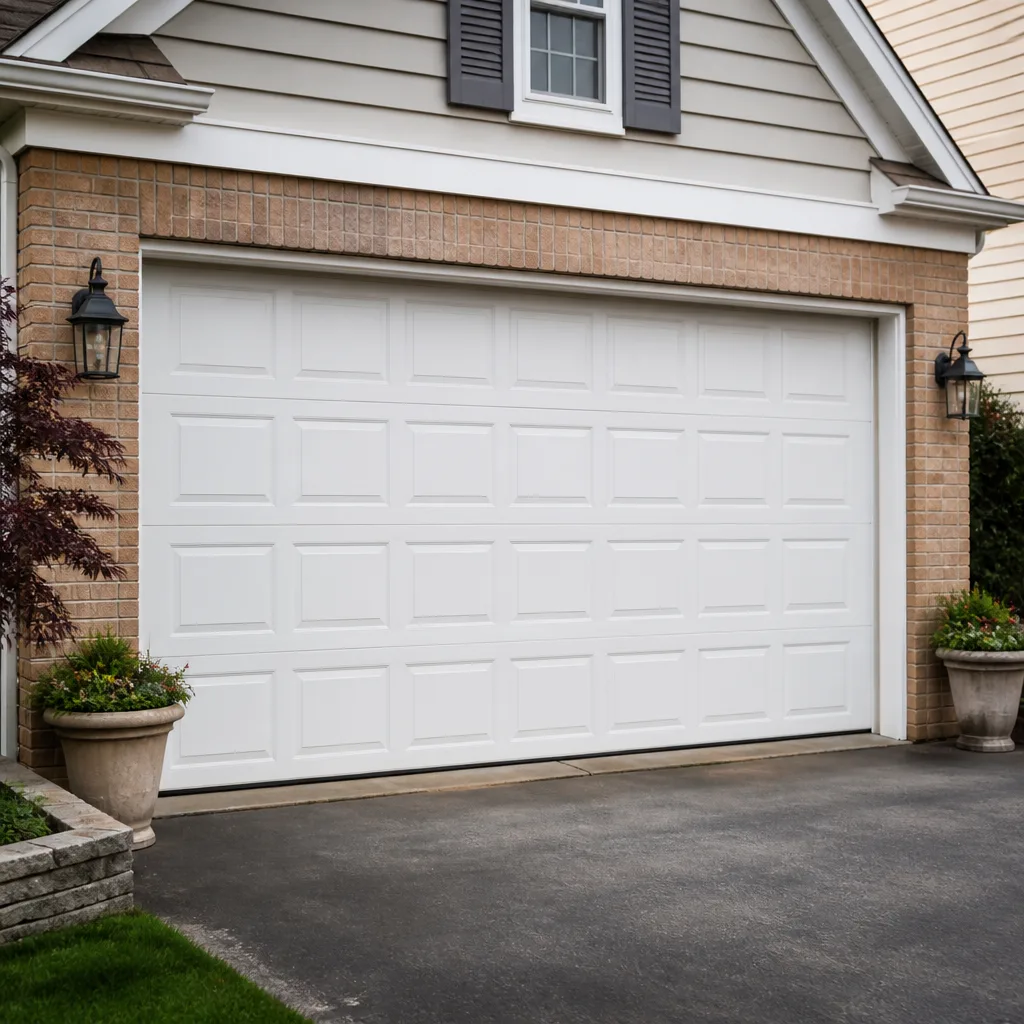
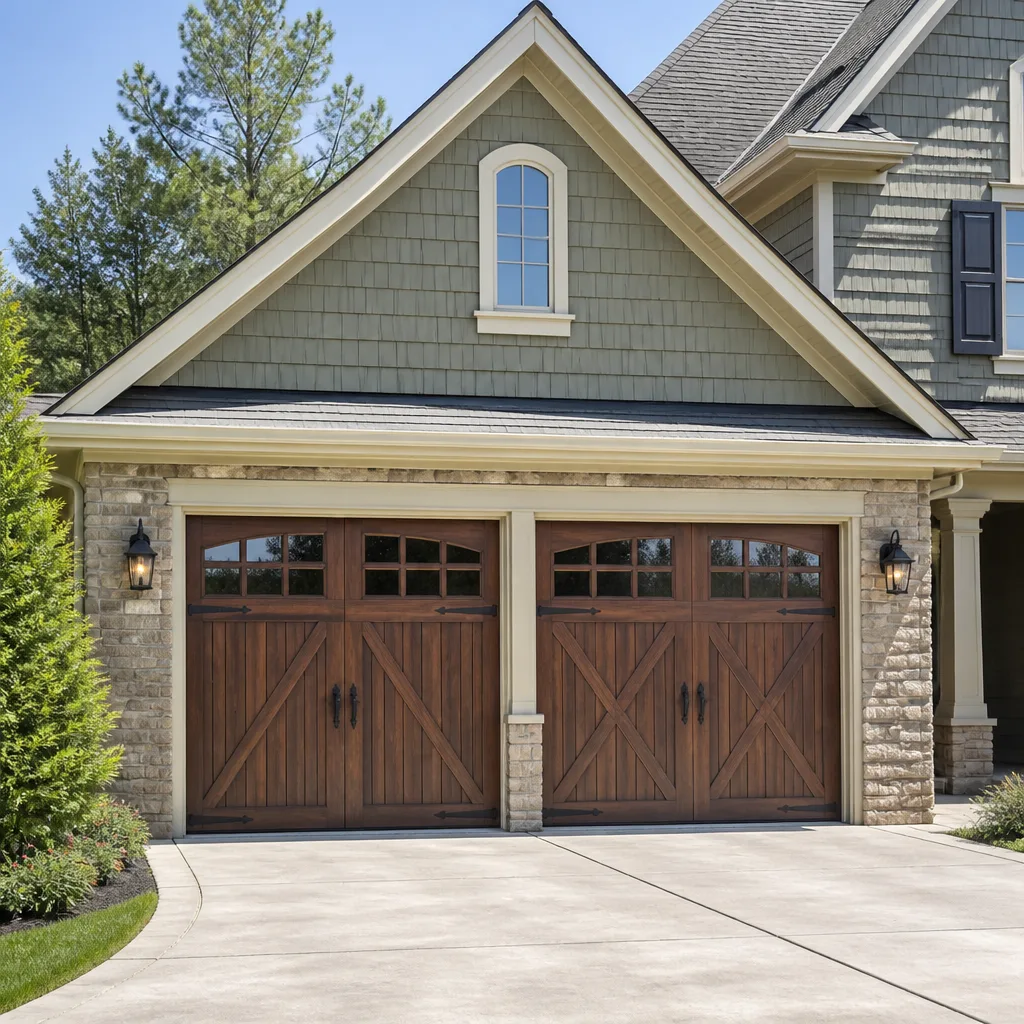
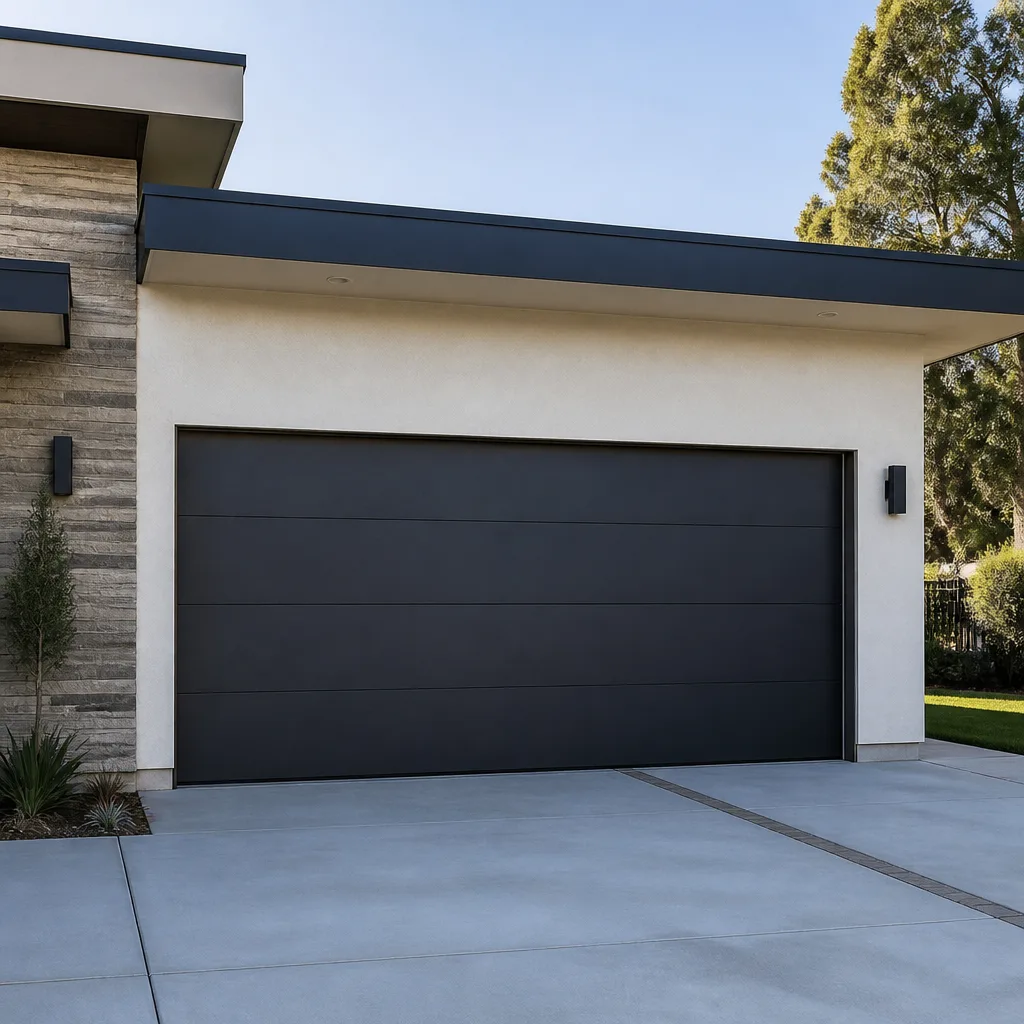
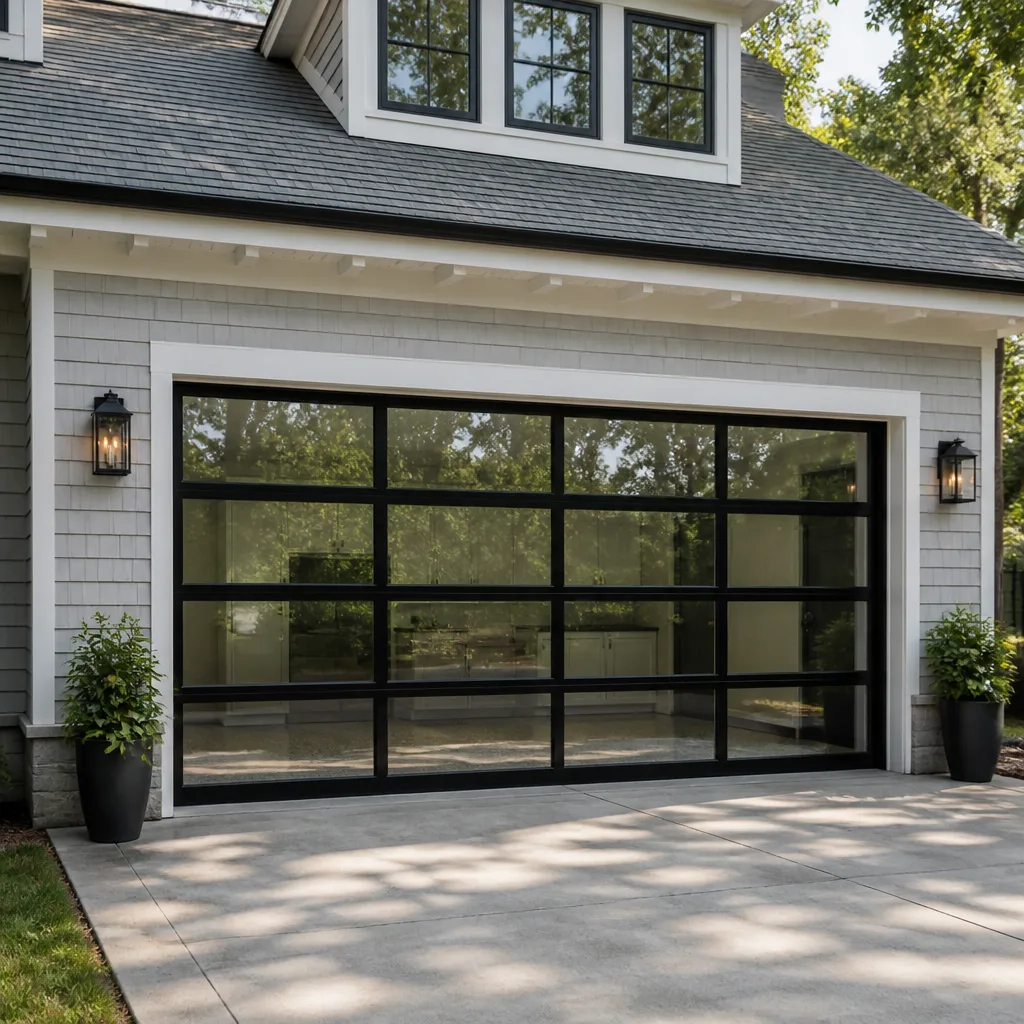
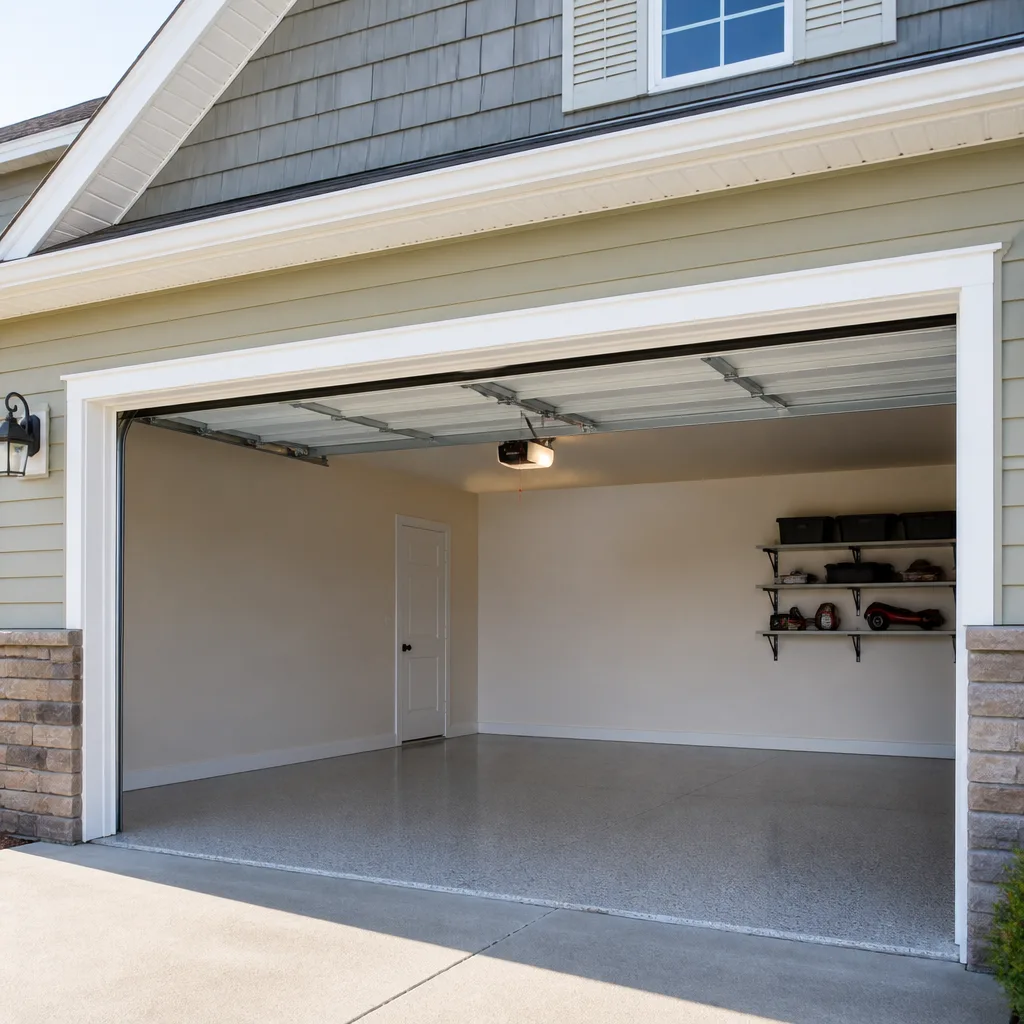
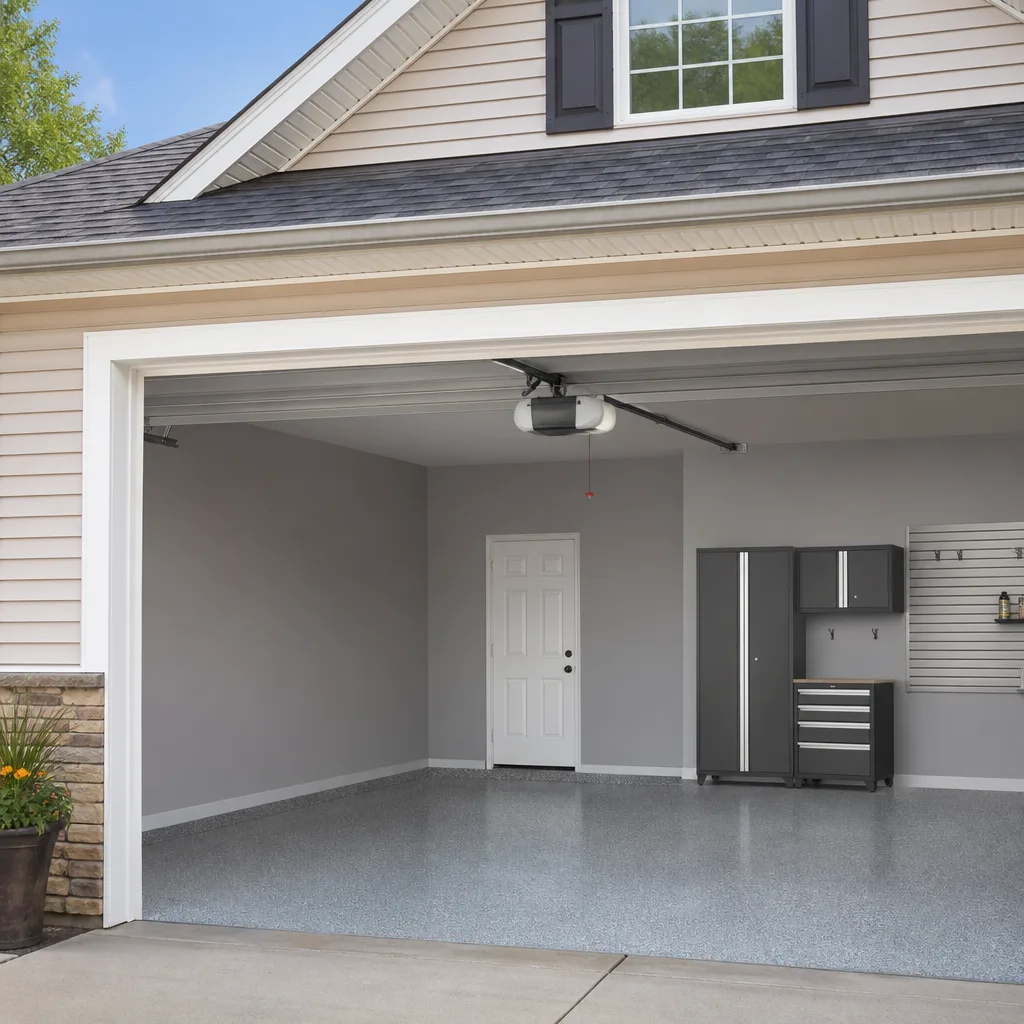
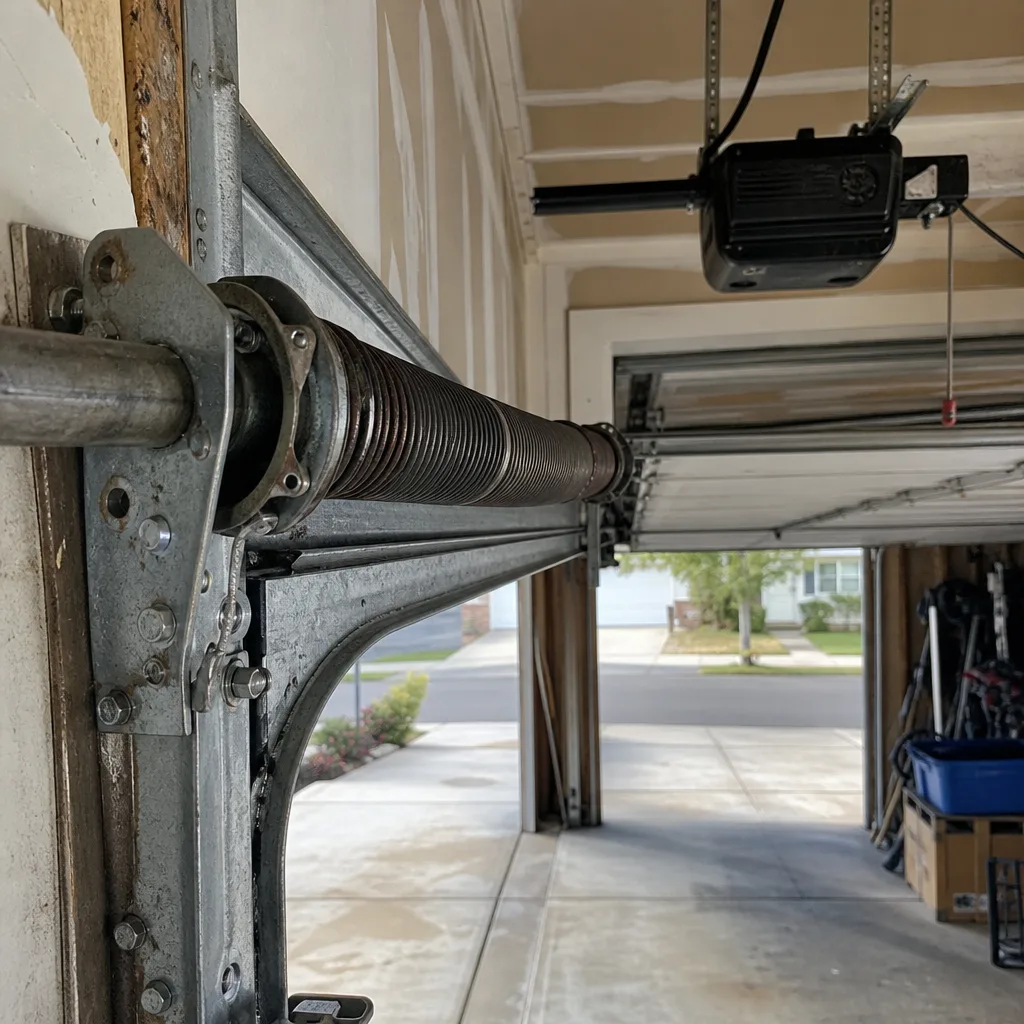 Before
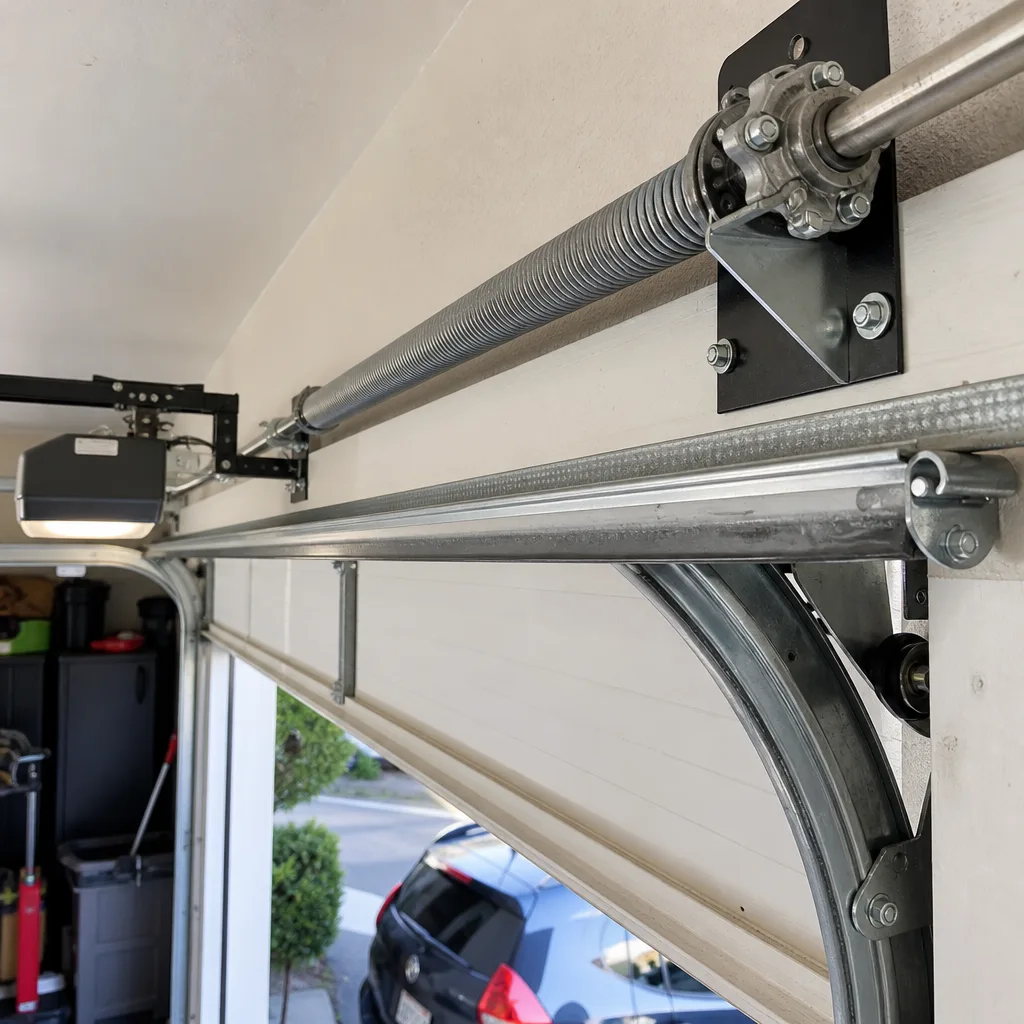 After
After Before
 After
After Before
 After
AfterGarage Door Permits, Codes & Inspections in CA: What You Need to Know
Most homeowners in Cypress assume a garage door replacement is like swapping out a refrigerator - unplug the old, slide in the new, done. It is not. California’s building code treats certain garage door work as structural alteration, and an unpermitted installation that passes the eye test today can torpedo a home sale twelve years later when the buyer’s inspector flags it in escrow with forty-eight hours to closing. In our forty-two years of serving Orange County, we have seen three deals stall over garage door paperwork that should have been handled at installation. This guide explains exactly when California requires a permit, what Title 24 energy rules mean for your attached garage, how the City of Cypress building department handles inspections, and where HOA rules layer on top of city code.
Quick Answer
In California, a garage door permit is required when you alter the structural opening, change the door’s weight or wind-load rating, or replace a door on an attached garage with a product that does not meet current Title 24 energy standards. A true “like-for-like” replacement of the same size, type, and insulation value on a detached garage typically does not require a permit in Cypress, though the City of Cypress building department should confirm your specific project before work begins.
Table of Contents
- When Is a Garage Door Permit Required in California?
- Title 24 Energy Compliance: What It Means for Your Garage Door
- The “Like-for-Like” Exemption: Where It Ends
- The City of Cypress Permit and Inspection Process
- HOA Rules vs. City Code in Cypress Communities
- How Unpermitted Work Can Complicate a Home Sale
- Permit Costs and Typical Timelines in Orange County
- Common Mistakes to Avoid
- When to Call a Professional
- Frequently Asked Questions
- The Bottom Line
When Is a Garage Door Permit Required in California?
The California Building Code (CBC), Chapter 1, Section 105.1, establishes the baseline: work that alters the structure, changes egress, or affects energy compliance requires a permit. For garage doors, this breaks into specific triggers that separate a simple swap from a regulated project.
Permit-Required Work
- Enlarging or reducing the rough opening - any modification to the header, jack studs, or concrete curb height triggers structural review
- Changing door type or material - replacing a single-layer steel door with a wood-clad or insulated sandwich door alters dead load and may affect wind-load certification
- Converting from a tilt-up to a sectional door - different track geometry and spring forces require engineering verification
- Installing a new door on an attached garage - Title 24 energy compliance applies (detailed in the next section)
- Adding or modifying an automatic opener - electrical work and safety sensor placement fall under CBC and California Electrical Code
- Wind-load upgrades - in high-wind zones, including parts of Orange County, a door with a higher design pressure rating may require structural attachment verification
Typically Exempt Work
- True like-for-like replacement - same manufacturer model, same dimensions, same insulation value, same hardware configuration
- Cosmetic panel replacement - swapping damaged sections on an existing door without altering the frame or operating mechanism
- Hardware-only repairs - springs, cables, rollers, hinges, and weatherstripping on an existing permitted door
The critical distinction: “similar” is not “same.” We have seen Cypress homeowners assume that replacing a sixteen-foot Clopay steel door with another sixteen-foot Clopay steel door is automatically exempt. If the new model has a different insulation R-value, panel gauge, or window configuration, it is not like-for-like under the code. The City of Cypress building department makes the final determination, and their interpretation governs your project.
Orange County’s coastal climate adds a practical layer. Salt air in neighborhoods near Cypress’s western edge accelerates hardware corrosion, and we regularly see homeowners upgrade to galvanized or stainless components during replacement. That hardware change alone does not trigger a permit. But if the upgrade coincides with a door model change that alters weight or wind rating, the combined scope crosses into permit territory.
Title 24 Energy Compliance: What It Means for Your Garage Door
California’s Title 24, Part 6, the Building Energy Efficiency Standards, applies to garage doors on attached garages differently than detached structures. This is the rule competitors rarely explain clearly, and it surprises homeowners who assumed their detached garage workshop was exempt.
The Attached Garage Rule
For attached garages, any new or replacement garage door must meet minimum insulation requirements. As of the 2022 standards, this means:
- Doors with no conditioned space above: minimum U-factor of 0.37 (approximately R-2.7)
- Doors with conditioned space above or adjacent: minimum U-factor of 0.31 (approximately R-3.2)
The U-factor measures heat transfer rate; lower numbers mean better insulation. Most modern insulated steel doors from major manufacturers like Clopay and Amarr meet or exceed these values, but the builder-grade single-layer doors common in Cypress tract homes from the 1970s and 1980s do not. If you are replacing one of those original doors on an attached garage, you cannot legally install another uninsulated door even if the dimensions match exactly.
The Detached Garage Exception
Detached garages are exempt from Title 24 door insulation requirements unless the garage itself is conditioned (heated or cooled) or contains equipment that serves the main dwelling, such as a furnace or water heater. This distinction matters in Cypress, where many homes in the Lakeview area and along Holder Street have detached garages converted to workshops or ADU prep spaces. If that detached structure now has a mini-split or shares HVAC with the house, the exemption disappears.
Practical Implications
The Title 24 compliance burden falls primarily on whoever pulls the permit. In Cypress, this is typically the licensed contractor performing the installation. The contractor must:
- Specify the door’s U-factor and certification on the permit application
- Install a product listed in the California Energy Commission’s approved equipment database
- Post an NFRC (National Fenestration Rating Council) label on the installed door, visible to the inspector
We have encountered homeowners who purchased doors online, attracted by prices that undercut local suppliers by thirty percent, only to discover the product lacks California certification. That door cannot be permitted, cannot be legally installed on an attached garage, and becomes an expensive return shipment. The Mainspring Garage Door Co. home page lists our stocked lines, every one Title 24-compliant and factory-authorized.
The “Like-for-Like” Exemption: Where It Ends
California building officials use “like-for-like” as shorthand for work that does not trigger permit requirements. The phrase sounds simple. It is not. Understanding its boundaries saves you from a retroactive permit application, which in Cypress costs more and takes longer than doing it right initially.
What “Like-for-Like” Actually Requires
For a garage door replacement to qualify as exempt like-for-like, all of the following must hold:
- Same rough opening dimensions - within one-quarter inch in width and height
- Same door type - sectional, roll-up, or tilt-up; no cross-category swaps
- Same or lower dead load - the new door cannot weigh more than the original
- Same wind-load rating - or lower, in the same exposure category
- Same or better energy performance - on attached garages, the replacement must meet current Title 24, not merely match the old door’s performance
- No structural attachment changes - same jamb condition, same header support, same track mounting
The fifth point trips many homeowners. Their 1987 uninsulated steel door is being replaced with a modern insulated model that is far more efficient. That is legally required on an attached garage. But because the new door is not like the old door in energy performance, the exemption fails. A permit is required even though every other parameter matches.
Where We See Cypress Homeowners Go Wrong
In the Ranchos neighborhood and along Lincoln Avenue, we regularly work on homes with original garage doors from the initial 1960s-1970s build cycles. These doors are often uninsulated, single-layer steel or wood, with no weatherstripping to speak of. Homeowners naturally want to upgrade to a modern door with thermal breaks, bottom seals, and window options. That upgrade is sensible. It is also not like-for-like. The permit requirement is real, and ignoring it creates the escrow problems we discuss later.
Another common edge case: replacing a solid door with one that includes windows. Even if the door dimensions, material, and insulation value match, the glazing introduces new safety requirements. Tempered glass is mandatory for garage door windows under CBC Section 2406.4. If your new door has decorative glass that is not tempered, it fails inspection regardless of permit status.
The City of Cypress Permit and Inspection Process
The City of Cypress contracts with the Orange County Building Department for plan check and inspection services. This arrangement streamlines the process compared to smaller cities with standalone departments, but it also means your permit application routes through a regional queue.
Who Pulls the Permit
California law allows either the property owner or a licensed contractor to pull a building permit. For garage door work, we strongly recommend having your contractor handle it. The contractor’s license bond and insurance back the application, and the contractor assumes responsibility for code compliance. If you pull the permit as owner-builder, you become the responsible party for inspections, corrections, and final sign-off. That liability persists even if you later sell the home.
At Mainspring Garage Door Co. in Cypress, we pull permits on all projects that require them. The flat price we quote includes permit fees, plan check, and inspection scheduling. There are no surprises on the bill.
The Application and Timeline
- Application submission - online through the Orange County ePlan system or in person at the Cypress Civic Center; includes door specifications, U-factor certification, and site plan
- Plan check - typically 5-10 business days for straightforward garage door replacements; complex structural modifications may require 15-20 days
- Permit issuance - upon approval, the permit must be posted at the job site before work begins
- Installation - performed by the contractor with permit on-site
- Inspection scheduling - call Orange County Inspection Services or book online; next-day availability is typical in Cypress, though Friday bookings may slip to Monday
- Final inspection - verifies door operation, safety sensor function, opener force settings, and posted NFRC label; inspector signs the card or enters approval electronically
- Permit finalization - recorded with the city, creating a permanent record tied to your property’s Assessor Parcel Number
Total elapsed time for a standard permitted replacement: two to three weeks from application to final sign-off. Rush processing is not available for residential garage door permits in Orange County.
What the Inspector Actually Checks
- Door size matches approved plans
- Manufacturer’s installation instructions are followed (stapled to permit or on-site)
- Opener safety sensors are mounted 4-6 inches above floor level and properly aligned
- Opener force settings allow reversal upon contact with test object
- Emergency release handle is accessible and functional
- NFRC label is visible and matches approved specifications
- Structural attachments to jambs and header are per engineer’s detail (if required)
We have had Cypress inspectors ask to see the torque settings on spring hardware. It is not a code requirement, but it demonstrates thoroughness. Our technicians document these settings on every job, permitted or not. That is the kind of detail that comes from forty-two years of doing the work right.
HOA Rules vs. City Code in Cypress Communities
Cypress contains dozens of planned communities with active homeowners associations. The Cypress Village, Sorrento, and Oak Knoll areas all operate under CC&Rs that restrict garage door appearance, material, and sometimes color. These private rules operate in parallel with city and state building codes, and where they conflict, the stricter standard applies.
Common HOA Restrictions
- Material limitations - wood-look steel may be permitted while actual wood is banned due to maintenance concerns
- Color palettes - some associations require earth tones or match existing streetscape; bright whites or custom colors may need architectural committee approval
- Window configurations - placement, size, and style of door windows may be restricted to maintain uniform street frontage
- Hardware finishes - decorative handles and hinges may need to match a specified scheme
- Opener noise standards - rare but present in some senior communities; belt-drive or jackshaft openers may be required over chain-drive
The Conflict Scenario
A homeowner in the Sorrento community replaced their garage door with a permitted, code-compliant installation in charcoal gray. The color was within Title 24 and CBC bounds. The HOA CC&Rs, however, specified that garage doors must match the original builder palette of warm tans and browns. The homeowner faced a $200 monthly fine until the door was repainted or replaced.
The city permit does not override private covenants. The reverse is also true: HOA approval does not satisfy building code. You need both. The practical sequence is:
- Obtain HOA architectural committee pre-approval for your selected door style and color
- Submit building permit application with HOA approval letter attached
- Install per approved plans
- Pass city inspection
- Request HOA final sign-off (some associations require this, others do not)
We coordinate with Cypress HOA managers regularly. If your community requires a specific form or vendor qualification, we handle that paperwork as part of our standard process. The garage door installation in Cypress page notes our experience with local association requirements.
How Unpermitted Work Can Complicate a Home Sale
This is the scenario that brings homeowners to our door with urgency they did not feel when the door was installed five years ago. California’s real estate disclosure forms, specifically the Transfer Disclosure Statement (TDS) and Seller Property Questionnaire (SPQ), ask directly about unpermitted modifications. Answering falsely exposes the seller to post-closing liability. Answering truthfully triggers buyer scrutiny.
The Escrow Timeline Crunch
A typical Cypress home sale allows ten to seventeen days for buyer inspections. If the inspector notes a garage door that appears newer than the home’s age and no permit appears in city records, the buyer’s lender or insurer may require permit retroactivity before closing. The retroactive process in Orange County requires:
- Application as “permit after the fact”
- Payment of doubled fees as penalty
- Possible removal of finish materials to verify structural attachment
- Re-inspection with current code standards, which may exceed the original installation requirements
- Engineer sign-off if structural elements are concealed
This process rarely completes inside a standard escrow period. We have seen sellers credit buyers $3,000-$5,000 to accept the unpermitted work, or reduce sale price equivalently. The financial hit exceeds what proper permitting would have cost by a factor of five or more.
Title Insurance and Coverage Gaps
Some title insurers now exclude unpermitted work from standard coverage, particularly in California markets with active disclosure litigation. Your buyer’s policy may contain a specific exception for “work performed without required permits.” That exception becomes the buyer’s leverage in negotiation, and it surfaces at the worst possible moment.
The preventive fix is simple: permit the work when it happens, or verify permits exist before listing. The City of Cypress maintains permit records searchable by address through the Orange County portal. We recommend this check to any homeowner considering sale within two years.
Permit Costs and Typical Timelines in Orange County
Permit fees in Cypress follow Orange County’s consolidated schedule. For garage door work, the cost structure is:
- Standard replacement permit: $180-$280, including plan check and two inspections (rough and final, though garage doors typically need only final)
- Structural modification: $350-$550, if header or opening changes require engineering review
- Electrical permit for opener: $85-$150, if pulled separately; often bundled with door permit
- Permit after the fact: double standard fees, plus possible investigation charge of $150-$300
These fees add to project cost but are not the dominant line item. A quality insulated steel door installed by a licensed contractor in Cypress runs $1,200-$2,800 depending on size, insulation level, and window options. The permit represents 8-12 percent of total project cost for standard work, less for premium installations.
Timeline impacts are more significant than cost. A permitted replacement requires two to three weeks from decision to completion. An unpermitted replacement can be done in two days. That speed tempts homeowners facing immediate needs, such as a door damaged by vehicle impact or spring failure rendering the door inoperable. In emergency situations, we can secure a same-day temporary securement and schedule permitted replacement for the following week, keeping your home secure without bypassing code requirements.
For garage door opener service in Cypress, the permit question rarely arises for repair but does for new installation or electrical circuit extension. We clarify this scope during our free estimate visit.
Common Mistakes to Avoid
- Assuming “same size” means “like-for-like.” A 16×7 door with R-2 insulation is not like a 16×7 door with R-10 insulation. The energy performance difference triggers Title 24 review on attached garages.
- Letting the contractor skip the permit to “save money.” The savings are temporary. The permit fee is $200. The escrow penalty is $3,000. The math is simple.
- Buying uncertified doors online. That bargain door from an out-of-state warehouse lacks California Energy Commission listing. It cannot be permitted, and major manufacturers like Wayne Dalton and Craftsman will not warranty products sold through unauthorized channels.
- Ignoring HOA pre-approval. The city will issue a permit for a bright red door. Your HOA will fine you for installing it. Check private covenants before public code.
- Failing to verify existing permits before purchase. If you bought a home with a newer garage door, pull the permit history. Gaps become your problem at sale.
- Confusing “no permit required” with “no code applies.” Even exempt like-for-like work must meet current safety standards for opener force, sensor function, and emergency release accessibility.
- Waiting until escrow to discover the problem. A fifteen-minute permit search today prevents a fifteen-day closing delay tomorrow.
When to Call a Professional
Call a licensed garage door contractor when your project involves anything beyond hardware replacement on an existing door. The permit determination, Title 24 specification, HOA coordination, and inspection scheduling are standard parts of professional service. Doing this yourself saves nothing meaningful and risks significant liability.
Carl Dutton and the team at Mainspring Garage Door Co. offer free estimates in Cypress. We pull permits when required, stock the necessary parts on our trucks, and quote the flat price before any work begins. Garage door repair in Cypress or replacement, permitted and done right, starts with a call to (626) 593-8187.
Frequently Asked Questions
You need a permit if the replacement alters the opening size, changes the door type or weight, or installs a non-compliant door on an attached garage under Title 24. A true like-for-like replacement on a detached garage typically does not require a permit. Call the City of Cypress building department at (626) 593-8187 to confirm your specific project, or call us at (626) 593-8187 and we will make that determination during your free estimate.
A standard garage door replacement permit in Cypress costs $180-$280 through the Orange County Building Department. Structural modifications run $350-$550. Retroactive permits after installation cost double. We include permit fees in our flat-price quotes when they apply, so there are no surprises on the bill.
California allows owner-builders to pull permits, but you assume full liability for code compliance and inspection passage. Garage door springs are under extreme tension and can cause serious injury or death if handled improperly. We do not recommend DIY installation, and we will not service homeowner-installed doors that fail inspection due to safety defects.
Plan check for standard garage door replacements takes 5-10 business days. Inspection scheduling is typically next-day after installation. Total timeline from application to final sign-off is two to three weeks. Permit-after-the-fact applications take longer and may require exposing concealed work for inspector verification.
No. Cypress HOAs often restrict color, material, window style, and hardware finish. Architectural committee pre-approval is required in most communities before city permitting. We have worked with Cypress Village, Sorrento, Oak Knoll, and other local associations and can guide you through their specific requirements.
You must disclose unpermitted work on California’s TDS and SPQ forms. The buyer’s inspector may flag the door, triggering lender or insurer requirements for retroactive permitting. This rarely completes within a standard escrow period and commonly results in price reductions of $3,000-$5,000 or sale cancellation. Verify permits now if you plan to sell within two years.
The Bottom Line
California’s garage door permit rules are not arbitrary bureaucracy. They ensure structural safety, energy performance, and clear property records that protect you at sale. The key distinctions are simple: attached garages trigger Title 24, like-for-like has precise limits, and Cypress processes permits through Orange County with predictable timelines. The cost of proper permitting is modest. The cost of discovering a problem in escrow is not. For forty-two years, Mainspring Garage Door Co. has handled this paperwork as part of a square deal, with the price stated upfront and the work backed in writing. That is how you never have to think about your garage door again.
Written by Carl Dutton, Owner at Mainspring Garage Door Co., serving Cypress since 2016.